

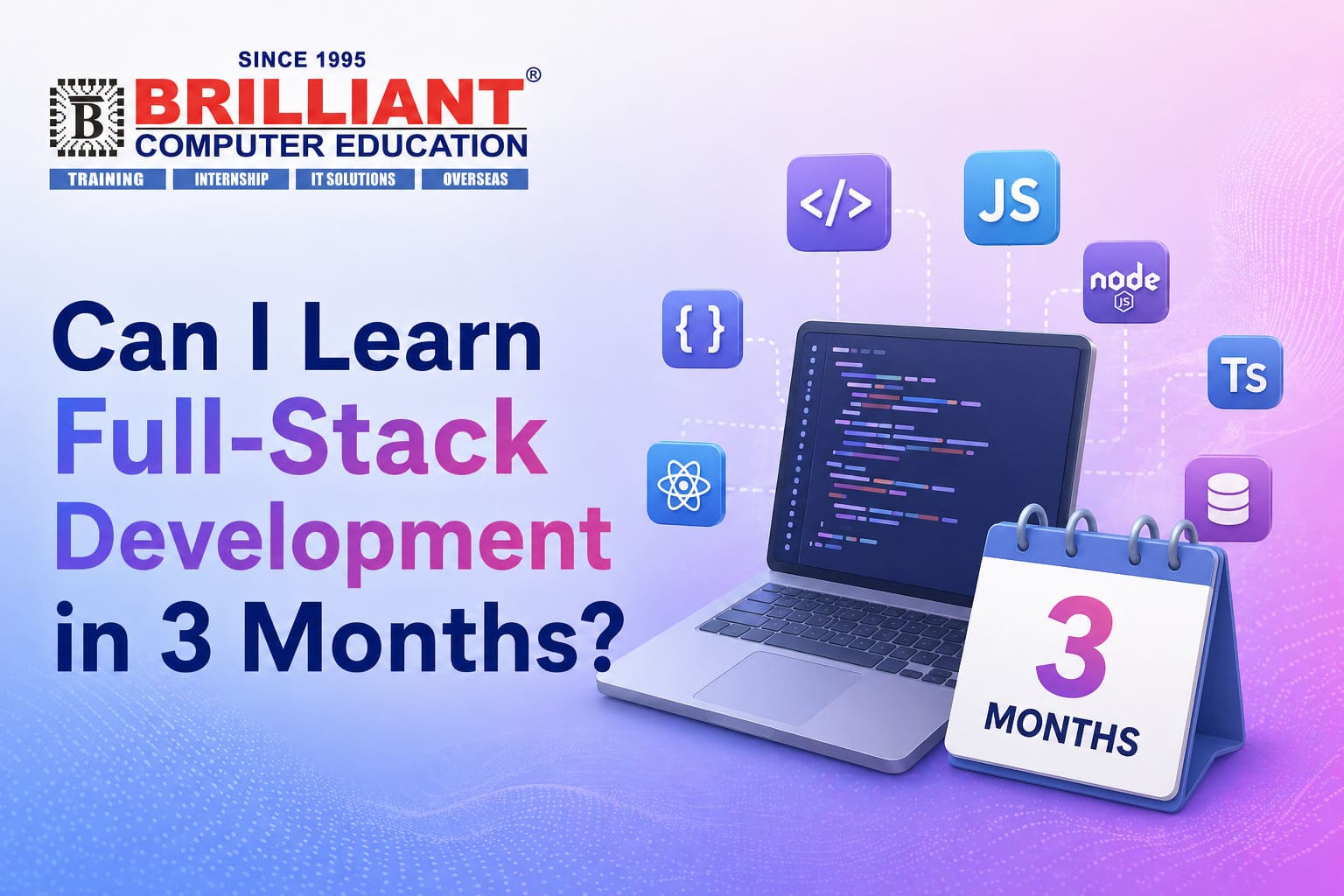
can you really go from knowing nothing to calling yourself a full-stack developer in just three months? That’s the big question, right? The tech field’s exploding, and companies want people who get both the front and back end. If you’re fresh to coding or thinking of switching careers, you’ve probably wondered if three months is actually enough to get there.
Here’s the truth: You can cover the basics in three months if you’re all in. But you need a plan, and you absolutely have to build things—not just watch hours of tutorials. Becoming a pro takes time, but getting started is way more about effort than genius. Your background matters, but your day-to-day hustle matters more.
Let’s get into it. Can you really pull this off? What skills will you actually have after three months, and how should you use your time?
What Even Is a Full-Stack Developer?
A full-stack developer handles the whole web app—from what pops up on the screen to the stuff happening behind it, plus dealing with databases, using Git, and getting things deployed. You juggle a stack like this:
- Front-End: HTML, CSS, JavaScript, React
- Back-End: Node.js, Python, or Java
- Databases: MySQL, MongoDB
- Version Control: Git and GitHub
- Deployment: Cloud hosting
You’re taking projects from zero to live, handling design, logic, and the nitty-gritty of putting it online.
Is Three Months Enough?
With three solid months, you’ll master the basics and knock out real projects. You won’t know every tool inside and out, but you’ll have hands-on skills.
Here’s what you’ll gain:
- Real understanding of how web tech fits together
- A couple finished projects you can actually show people
- Experience working with a full stack (say, MERN)
- The ability to put your apps online
- Ready to start applying for internships or entry-level gigs
But you won’t have:
- Expert-level knowledge of every tool or framework
- The kind of instincts that come from years in the trenches
Who Can Actually Do This?
If you’re serious—student, career changer, freelancer, you name it—you can make serious progress. It’s no walk in the park, though. You’ll need to put in 6-8 hours daily, code for real, and having a clear roadmap or mentor makes a massive difference.
A 3-Month Game Plan
Month 1: Build Your Foundation
- Master HTML5, CSS3 (Flexbox, Grid), and the basics of JavaScript.
- Get used to working with the DOM, catching user events, making pages look good everywhere.
- Make static pages, landing pages, simple UI clones.
By the end, you can put together sharp, responsive web pages on your own.
Month 2: Frameworks and Back-End
- Dig into React: components, props, state, hooks, APIs.
- Learn Node.js & Express: how servers work, REST APIs, routes.
- Tackle MongoDB and basic CRUD.
- Connect your front and back end, move data around.
You’ll build your first full-stack app.
Month 3: Go Deeper & Build a Portfolio
- Add authentication, JWT, polishing APIs, and deployment to your arsenal.
- Go hands-on with GitHub and cloud hosting.
- Build and launch 2-3 projects (like a blog, e-commerce site, or task manager).
By the end of the month, you’ll have a portfolio that says, “I can do this.”
Stick to One Stack
Don’t make life harder than it needs to be. Pick a stack and run with it. MERN (MongoDB, Express, React, Node.js) is a smart pick: it’s all JavaScript, super in demand, and won’t have you juggling multiple languages.
How Should You Structure Your Days?
- 2 hours: Learn something new
- 3 hours: Get your hands dirty coding
- 2 hours: Build out real projects
- 1 hour: Review, tweak, catch your mistakes
Each week, focus on a new topic, crank out a mini project, and look back to see how much you’ve grown.
Common Roadblocks and How to Avoid Them
- Information Overload—Stick to your roadmap. Don’t get distracted by every shiny new thing.
- Not Enough Practice—Spend more time coding than watching videos.
- Debugging Frustration—Treat bugs as puzzles. Get comfortable with your developer tools.
- Time Management Trouble—Focus hard. Shut out distractions.
What Skills Will Matter in 2026?
- AI-powered coding and debugging tools
- Serverless and cloud architecture
- TypeScript (super helpful for big apps)
- Jamstack (fast, secure sites)
- Microservices (modular apps)
Key Skills to Build
Technical:
- Strong in JavaScript
- Comfort building and using APIs
- Database know-how
- Able to debug and test problems
Soft skills:
- Creative problem solving
- Good time management
- Keeping up with new tech
- Clear, straightforward communication
How to Get Hired—Fast
- Projects: Build 3-5 solid apps, get them live and on GitHub.
- Interviews: Nail algorithms, JavaScript, and how you solve problems.
- Resume: Highlight your skills, show your projects, mention certificates.
- Apply: Go for internships, junior roles, or freelance gigs.
Can You Get a Job After Three Months?
Yes, if you’ve built real projects, understand your stack, and can explain your choices. If you just watched tutorials and skipped the hard work, you’re not there yet.
Tips to Learn Faster
- Stick with one tech stack
- Learn by building (don’t wait to be perfect)
- Write code daily
- Join dev communities, ask for help
Mistakes to Dodge
- Trying to learn too many languages at the same time
- Skipping the fundamentals
- Avoiding actual projects
- Ignoring the back end
- Forgetting about Git
What Comes Next?
- Full-stack developer jobs
- Specializing in front-end or back-end
- Web dev roles
- Freelancing
Final Thoughts
Three months is enough to get the basics, build confidence, and start job hunting. You won’t be a senior developer, but momentum is what counts—stay at it and you’ll surprise yourself. Don’t burn out watching tutorials all day. Build real things. Keep leveling up, and the doors will start to open. That’s how you break into tech.